
Meet Dr Nick Stubbs - Psychiatrist
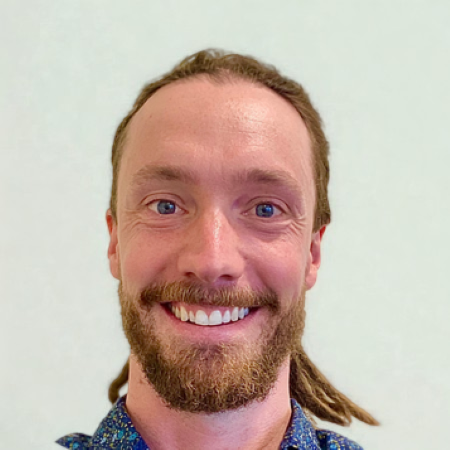
Dr Nick Stubbs is a psychiatrist who works with adults experiencing a broad range of mental health concerns, from anxiety and depression to more complex or long-standing problems. His approach is calm, thorough and straightforward, with an emphasis on understanding the whole person rather than viewing someone only through symptoms or diagnosis.
Dr Stubbs believes that effective psychiatric care begins with a safe, respectful and trusting therapeutic relationship. His approach is grounded in careful assessment, accurate diagnosis and evidence-based treatment, while maintaining a strong focus on the individual’s own experience, values, goals and hopes for the future. He understands that mental health difficulties are rarely simple or reducible to a diagnosis alone. Dr Stubbs takes time to consider the wider context of a person’s life, including their relationships, past experiences, work, identity and sense of meaning. Where medication may be helpful, this is considered carefully as part of a broader treatment plan rather than in isolation.
Meeting a psychiatrist can feel daunting, particularly for people who have felt unheard, received conflicting advice or struggled to make sense of what is happening. Nick takes time to understand their experiences, relationships, strengths and circumstances. He explains diagnoses and treatment options clearly and considers medication alongside psychological, social and lifestyle factors. His aim is for people to leave with a clearer understanding of themselves and a treatment plan that feels practical, manageable and genuinely useful.
Alongside his medical and psychiatric training, Dr Stubbs has undertaken postgraduate study in Continental Philosophy. His interest in psychotherapy, philosophy and the ways people make sense of their experiences informs a reflective and collaborative style of practice. He is particularly interested in helping people better understand themselves, navigate periods of uncertainty or change, and identify practical pathways towards recovery and wellbeing. Dr Stubbs is a Fellow of the Royal Australian and New Zealand College of Psychiatrists (FRANZCP). He provides psychiatric assessment, treatment and medication review, and works collaboratively with GPs, psychologists, psychotherapists and other health professionals when this supports coordinated care.
He can help with:
- Anxiety, depression and mood difficulties
- Trauma and stress-related difficulties
- Relationship, personality and emotional regulation difficulties
- Complex or long-standing mental health concerns
- Diagnostic clarification and medication review